

A research-driven overview of youth exposure, legal risks, and societal challenges.
Understanding Risk: Substance Use & Gambling in Lebanon
Why This Topic Matters
Lebanon is facing growing challenges related to substance use and gambling, particularly among youth. Early exposure, legal ambiguity, and economic pressures are contributing to risky behaviors that many young individuals do not fully understand. This research highlights key data, legal frameworks, and societal implications to support awareness and informed decision-making.

Substance Use in Lebanon
Substance Use Among Youth
Substance use in Lebanon has shown a noticeable rise, particularly among individuals aged 15 to 24. Research indicates that many users begin experimenting with drugs between the ages of 15 and 17, highlighting early exposure as a critical concern.
Beyond illegal substances such as cannabis, cocaine, and synthetic drugs, there is a growing issue of prescription drug misuse — especially benzodiazepines and tranquilizers — among adolescents.
Key Stats
2.2%
Lifetime prevalence of substance use disorder
~3%
Current cannabis users
1 in 10
Students tried illegal drugs
15–17
Age of initiation
Gambling in Lebanon
Gambling & Illegal BettingGambling in Lebanon operates under a unique structure. While Casino du Liban holds a monopoly, recent developments have introduced licensed online betting through BetArabia. However, a large illegal gambling market continues to thrive.
Unlicensed betting cafés and online platforms remain widely accessible, particularly to youth, often operating outside regulatory oversight.
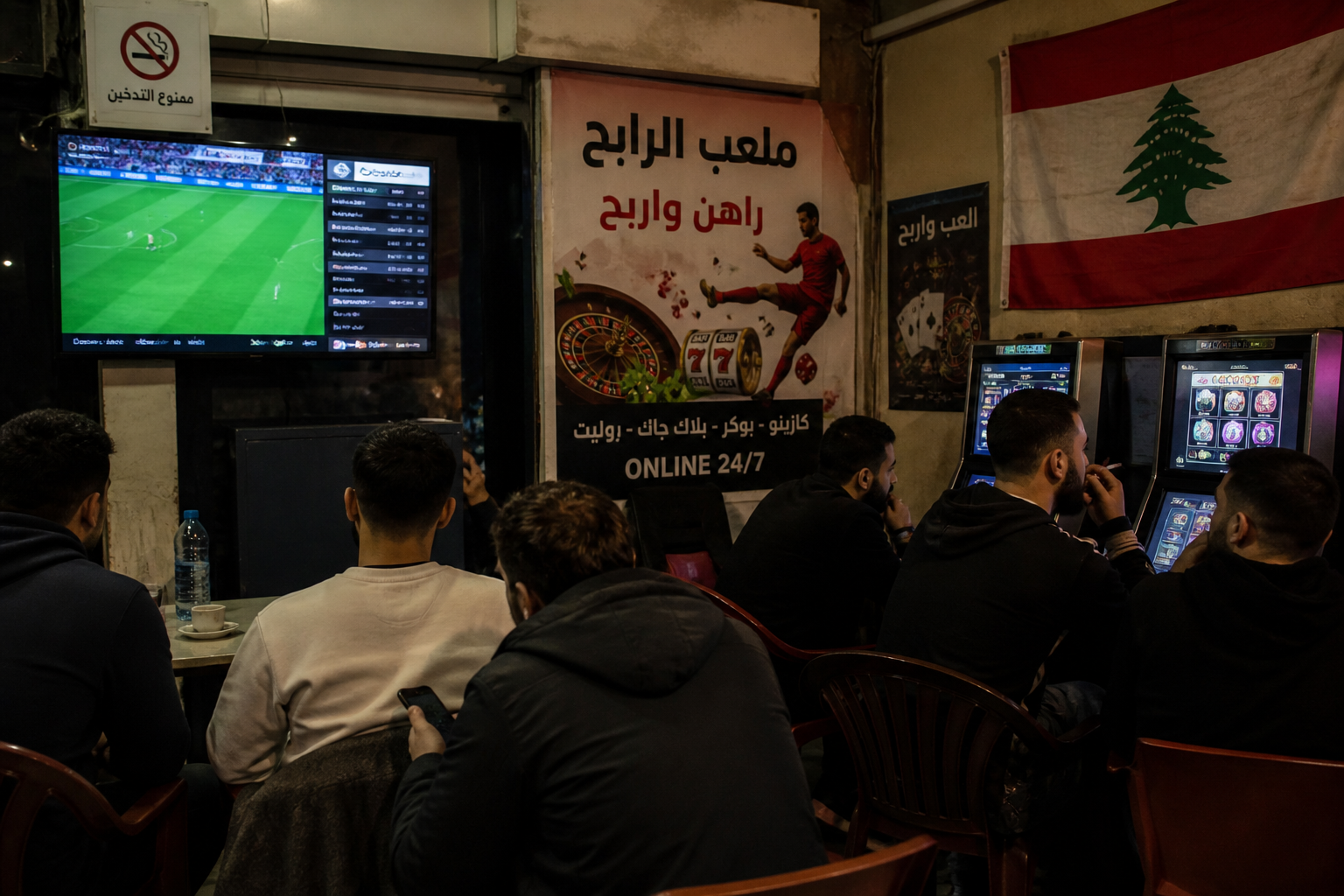
Key Points:Legal gambling is limited and controlled
Illegal gambling is widespread
Youth access through cafés is increasing
Economic crisis drives risky behavior
Legal Consequences
& Reality
Under Lebanese law (Law 673/1998), substance use is criminalized, with penalties ranging from 3 months to 3 years of imprisonment and/or fines. While first-time offenders may be referred to rehabilitation, this depends on judicial discretion.
Many young individuals underestimate these risks, assuming minor use carries no serious consequences — which is not always the case.


Regulation & Enforcement Gaps
Despite existing laws, enforcement remains inconsistent. Illegal gambling networks, corruption concerns, and weak regulatory frameworks make it difficult to control these activities effectively.
Similarly, substance use policies emphasize rehabilitation and prevention, but awareness and education gaps persist.

What This Means
There is a major lack of legal awareness among youth
Substance use starts at an early age
Gambling exists in a gray area between legal and illegal
Economic pressure increases vulnerability
Education must focus on real risks, not just prevention slogans
Moving Forward
·
Moving Forward ·
Effective awareness initiatives must go beyond simple messaging. They should provide clear legal information, highlight real-life risks, and offer accessible support systems for individuals at risk.
Digital platforms, schools, and community programs all play a role in addressing this issue.